
How Custom Reward Pins Can Boost Customer Loyalty and Brand Engagement
Turn repeat buyers into passionate brand ambassadors with branded enamel pins — a complete strategy guide covering program types, design principles, real-world use cases, and exactly how to build a loyalty system customers love.
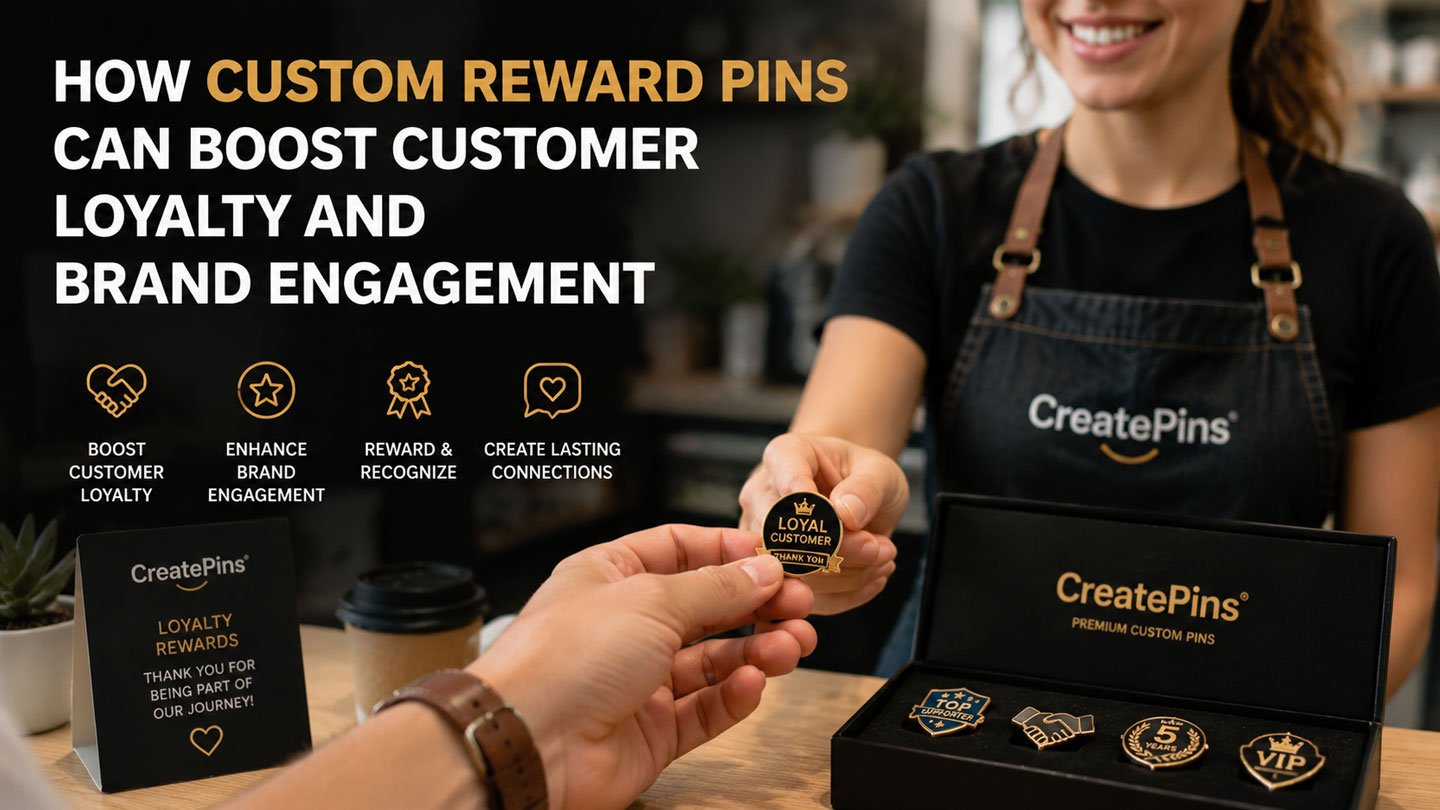
Customer loyalty is one of the most valuable assets a brand can build — and one of the hardest to maintain. Points programs and percentage discounts are ubiquitous, which means they’ve become invisible. Customers expect them, use them transactionally, and feel nothing when they redeem them.
Custom reward pins offer something fundamentally different: a tangible, collectible reward that customers actively value, proudly display, and talk about. When done well, branded enamel pins don’t just incentivize repeat purchases — they build community, create brand identity, and turn your best customers into walking advocates. This is the essence of effective customer engagement through physical merchandise.
In this guide, we’ll break down exactly how to design and run a loyalty pin program that drives true customer loyalty — and keeps customers excited every time they engage with your brand.
Why Custom Reward Pins Work for Loyalty Programs
The effectiveness of branded enamel pins as loyalty program rewards isn’t accidental — it’s rooted in specific psychological and practical factors that discounts and points simply can’t replicate. Here’s what makes custom reward pins so effective:
They Feel Earned, Not Given
Unlike a discount code, a pin feels like an achievement. Customers associate it with their own loyalty — making the reward emotionally meaningful rather than purely transactional.
They’re Inherently Collectible
A single pin is a reward. A series of pins is a compulsion. Collectible mechanics tap into a deep human drive to complete sets — exactly the behavior repeat purchases create.
Built-In Brand Promotion
Pins worn on jackets, bags, and lanyards are live brand advertising. Every loyal customer becomes a walking endorsement — reaching audiences you didn’t pay to access.
High Perceived Value
A $3–5 production cost pin can be perceived as more valuable than a $10 discount. Tangible, designed objects carry emotional weight that percentage savings cannot match.
Builds Community Identity
When customers wear the same pins, they recognize each other as part of the same tribe. This community identity creates attachment to the brand that transcends any single purchase.
Drives Natural Repeat Behavior
Customers who want the next pin in the series have a concrete reason to return. The collect-to-complete mechanic builds repeat purchase motivation into the reward itself.
The Psychology Behind Collectible Loyalty Program Rewards
The reason collectible pin programs drive such strong customer engagement is the same reason trading cards, loyalty sticker books, and achievement badges have driven engagement across industries for decades. Understanding the psychological mechanisms at work helps you design loyalty program rewards that activate them intentionally.
The Endowment Effect + Completion Drive: Once a customer owns one pin from a series, they psychologically “own” the incomplete set — and incompleteness feels like a loss. Combined with the intrinsic human satisfaction of completing a collection, this creates a pull toward repeat purchase that feels internally motivated rather than externally manipulated. Your customers don’t feel like they’re being marketed to. They feel like they’re pursuing something they want.
This is meaningfully different from how discount programs work psychologically. A discount creates a time-pressured transaction. A collectible creates an ongoing relationship with a narrative — “I’m working toward something.” That narrative keeps your brand present in your customer’s mind even when they’re not actively shopping.
What Collectible Programs Have in Common With Gaming
The most successful loyalty pin programs borrow mechanics from game design to maximize customer engagement:
- Clear progression — customers can see how far they’ve come and how far they have to go
- Visible status — pins worn publicly signal progression to others, creating social motivation
- Surprise and delight — limited drops and exclusive designs create moments of excitement
- Loss aversion — limited quantities create urgency without feeling manipulative
- Achievement unlocks — rewarding behaviors beyond purchases broadens engagement
Types of Loyalty Program Rewards with Pins
There’s no single right way to structure a loyalty pin program — the best approach depends on your brand, customer base, and business model. Here are the four most effective program structures, each with different strengths:
Purchase Milestone Rewards
Most Popular- Spend $50 → Bronze pin
- Spend $150 → Silver pin
- Spend $300 → Gold limited edition
Limited-Time Drops
High Urgency- Holiday & seasonal editions
- Anniversary releases
- Event-exclusive designs
VIP Membership Pins
Premium- Members-only collections
- Early access to new drops
- Designs unavailable elsewhere
Achievement-Based Pins
Engagement Driven- First order milestone
- Referral rewards
- Social media engagement
Purchase Milestone Tier System
The milestone tier system is the most proven structure for loyalty pin programs — and for good reason. It maps directly onto how most brands already think about customer value, creates visible progression, and can scale alongside your business. Here’s how a well-designed three-tier system might look:
Making Progression Feel Rewarding
The visual and physical difference between tiers should be immediately obvious. When a customer holds the gold pin next to their bronze one, they should feel the difference in quality, weight, and craftsmanship. Effective ways to signal tier progression include:
- Different metal platings — bronze/silver/gold naturally communicate a hierarchy everyone already understands
- Increasing pin size — even a 5–8mm increase between tiers feels significant in hand
- Numbered limited editions — “47/500” on the back stamp tells a customer they own something genuinely scarce
- Increasing design complexity — higher tiers can include more colors, more detail, or specialty enamel effects
- Exclusive back stamps — tier name, year, or signature engraved on the pin reverse
How to Design Effective Branded Enamel Pins
The design quality of your branded enamel pins directly determines how much customers value and display them. A generic or poorly designed pin undermines the program’s emotional impact — no matter how well the program mechanics are structured. Here are the core design principles for pins that customers genuinely want to collect:
Design as a Series
From the beginning, design your pins to look like a cohesive collection — shared visual language, consistent borders, matching color system. The “set” should be immediately recognizable.
Make Progression Visible
Tier differences should be unmistakable at a glance — plating color, size, and detail level should clearly communicate status without needing explanation.
Prioritize Wearability
A pin that never gets worn can’t promote your brand. Bold, clean designs with recognizable iconography outperform complex, intricate artwork at pin scale.
Add Exclusivity Markers
Numbered editions, back stamps, custom text engravings, or unique enamel effects (glitter, glow, translucent) boost perceived value and reinforce scarcity.
Stay Brand-Consistent
Loyalty pins should feel unmistakably on-brand. Use your brand’s colors, iconography, or character assets so pins reinforce brand identity while being collected.
Tease Future Designs
Reveal upcoming series pins as sneak previews before release. Anticipation is a powerful retention driver — customers who know what’s coming have a concrete reason to return.
Cost vs. Value — Why Branded Enamel Pins Are Efficient Loyalty Program Rewards
One of the most common concerns brands have about adding physical products to a loyalty program is cost. The reality is that custom reward pins are among the most cost-efficient loyalty program rewards available — particularly at scale — because the gap between production cost and perceived customer value is exceptionally wide.
| Reward Type | Avg. Production Cost | Perceived Value | Lasts How Long? | Brand Exposure |
|---|---|---|---|---|
| 10% Discount Code | $5–20 margin cost | Medium | Single use | None |
| Gift Card ($10) | $10 face value | Medium | Single use | None |
| Branded Sticker | $0.10–0.30 | Low | Months (fades) | Moderate |
| Custom Reward Pin | $1.50–4.00 at scale | High | Years (permanent) | High & ongoing |
| Limited Edition Pin | $2–5 at scale | Very High | Permanent collectible | Very High & ongoing |
The key insight is that a pin’s value to the customer doesn’t depreciate after redemption. A discount is spent and forgotten. A pin sits on a jacket, travels to events, appears in photos, and continues generating brand impressions — and emotional connection — indefinitely.
Real-World Use Cases by Brand Type
Pin loyalty programs aren’t one-size-fits-all — but they adapt remarkably well across a wide range of industries and brand types. Here’s how different types of creators and businesses can put custom reward pins to work:
E-Commerce Brands
Reward repeat buyers with collectible series tied to product categories or seasonal releases. Each reorder brings customers closer to the next tier pin — making customer loyalty visible and rewarding.
Artists & Creators
Offer milestone pins for Patreon supporters, repeat Etsy customers, or newsletter subscribers. A branded enamel pin that represents a creator’s artistic universe is a meaningful tribute to community membership.
Gaming & Pop Culture
Design “achievement unlock” pins inspired by in-game milestones or lore. These resonate deeply with an audience that already understands and loves the logic of earning achievements through progress.
Kickstarter Campaigns
Use pins as stretch goal rewards or backer exclusives. A limited-edition backer pin creates urgency, increases average pledge amounts, and gives backers a tangible symbol of their early support.
Subscription Boxes
Include a loyalty milestone pin when subscribers reach 3, 6, or 12 consecutive months. Pins serve as a visible reward for subscriber retention — and a compelling reason not to cancel.
Cafés & Local Brands
A coffee shop or brewery can build genuine community around a seasonal pin series. Regulars who collect all four seasonal pins become brand storytellers in their own social networks.
Pro Tips for Maximum Customer Engagement
The difference between a loyalty pin program that drives real retention and one that generates a brief spike of interest often comes down to execution details. These proven tactics maximize long-term customer engagement:
- ★Launch with 3–5 pins already designed Don’t launch with just one pin. Customers need to see the series to understand there’s something to collect. A single pin is a giveaway. Three or more pins is the beginning of a collection.
- ★Announce upcoming designs before release Teasing the next pin before it’s available keeps customers engaged between purchases. “Coming Q2 — the Summer Edition” gives customers something to anticipate and work toward.
- ★Highlight collectors on social media Feature customers showing off their full collections. This social proof validates the program, rewards loyal participants with recognition, and shows non-collectors what they could be part of.
- ★Combine pins with bundled merch Pair loyalty pins with stickers, patches, or zines for milestone packages that feel like curated gift sets. The bundle elevates the perceived reward and increases unboxing satisfaction.
- ★Set intentional production quantities Limited editions work because they’re genuinely limited. Decide on quantities before production — not after. Overproducing kills exclusivity. Underproducing leaves money on the table. Find the intentional middle.
- ★Make earning criteria crystal clear Customers should never have to guess how to earn the next pin. Communicate earning criteria clearly on your website, order confirmations, and loyalty program emails — ambiguity kills participation.
- ★Create a dedicated loyalty program page Give your pin program a home on your website with the full series shown, earning criteria explained, and a progress indicator (if possible). This builds program identity and gives customers a destination to share.
Packaging & Presentation Matters
How a loyalty pin is packaged and presented significantly affects how customers perceive its value. A beautiful pin in a plastic bag feels like an afterthought. The same pin in a well-designed box with a branded backing card and a short note explaining its significance in the program feels like a genuine reward.
Packaging Options by Tier
- Entry tier (Bronze): Custom backing card with pin name, edition information, and your branding. A poly bag with seal keeps it scratch-free during shipping.
- Mid tier (Silver): Backing card plus a small branded envelope or kraft box. Consider including a note that shows the full series — marking which pins the customer has earned so far.
- Top tier (Gold / Limited): Premium box or velvet pouch, tissue paper, a personal note, and a certificate of authenticity if the pin is numbered. This tier should feel like opening a gift.
Common Mistakes to Avoid
Even well-intentioned loyalty pin programs can underperform if common pitfalls aren’t anticipated. Here are the mistakes most likely to undermine your program — and how to avoid them:
- ✗Generic, unmemorable pin designs A pin that looks like it could belong to any brand creates no emotional connection. Invest in distinct, on-brand artwork that feels specific to your community and story.
- ✗Launching without a series plan Releasing one pin with no clear series strategy leaves customers with nothing to collect toward. Plan at least 3–4 future designs before the first launch.
- ✗Overproducing and killing exclusivity If every customer gets a “limited edition” pin, it isn’t limited. Define quantities intentionally and stick to them — scarcity is a feature, not an accident.
- ✗Neglecting packaging and presentation A poorly packaged pin communicates that the reward isn’t valued — undermining the emotional response you’re trying to create. Presentation is part of the reward.
- ✗Making earning criteria confusing or unfair Unclear or shifting goalposts erode trust. Customers who can’t tell how close they are to earning the next pin will disengage. Simplicity and transparency are essential.
- ✗Ignoring the program after launch A loyalty program needs ongoing promotion — email reminders, social media posts, new pin announcements. If you stop talking about it, customers will stop thinking about it.
- ✗Setting thresholds too high or too low If the first milestone requires a $500 spend, most customers will never engage. If it requires $10, the program loses meaning. Calibrate thresholds to your actual average order value and purchase frequency.
Ready to Build Your Loyalty Pin Program?
At CreatePins.com, we work with brands, artists, and creators at every stage of the loyalty pin design and production process — from initial series concept through to finished, packaged pins ready to ship to your customers.
Whether you’re launching your first loyalty campaign with a small initial order, or scaling an existing program with hundreds of pins per month, the right manufacturing partner makes all the difference in quality, consistency, and customer perception.
- Design assistance to develop a cohesive, brand-consistent pin series
- Full range of metal platings for clear tier differentiation (gold, silver, black nickel, and more)
- Specialty enamel options — glitter, glow, translucent — to elevate top-tier rewards
- Numbered back stamps and custom engravings for limited edition exclusivity
- Custom backing card design and individual poly bag packaging
- Accurate digital proofs before production begins
- Flexible order quantities to match your program’s rollout timeline
- Consistent quality across repeated production runs for long-running series
Frequently Asked Questions
Ready to Turn Loyal Customers into Brand Ambassadors?
CreatePins.com helps brands design and manufacture high-quality custom reward pins that customers love to collect — from first concept through to packaged, production-ready pins for your loyalty program.
Further Reading
- Custom Pins for Fans: What Designs Go Viral
- How to Create a Pin Collection Theme That People Actually Love
- How Small Collectibles Drive Big Engagement: Enamel Pin Influencer Campaigns
- Free vs Paid Pins at Events: Which Strategy Works Best
- 15 Enamel Pin Design Ideas That Always Sell
- How to Turn Fan Art into Custom Pins (Legally)
- Pricing Custom Enamel Pins for Profit: Cost Breakdown & Tips
- Custom Enamel Pin Order Process Explained
Rất cảm ơn những chia sẻ này.