Magnetic vs Traditional Enamel Pin Backings – Which Is Best?
Compare magnetic pin backing vs traditional enamel pin backings like pin clutch, safety pin, and locking pin back. Learn about magnet vs clutch, cost, fabric limits, and how to choose the right enamel pin backings for your pins.
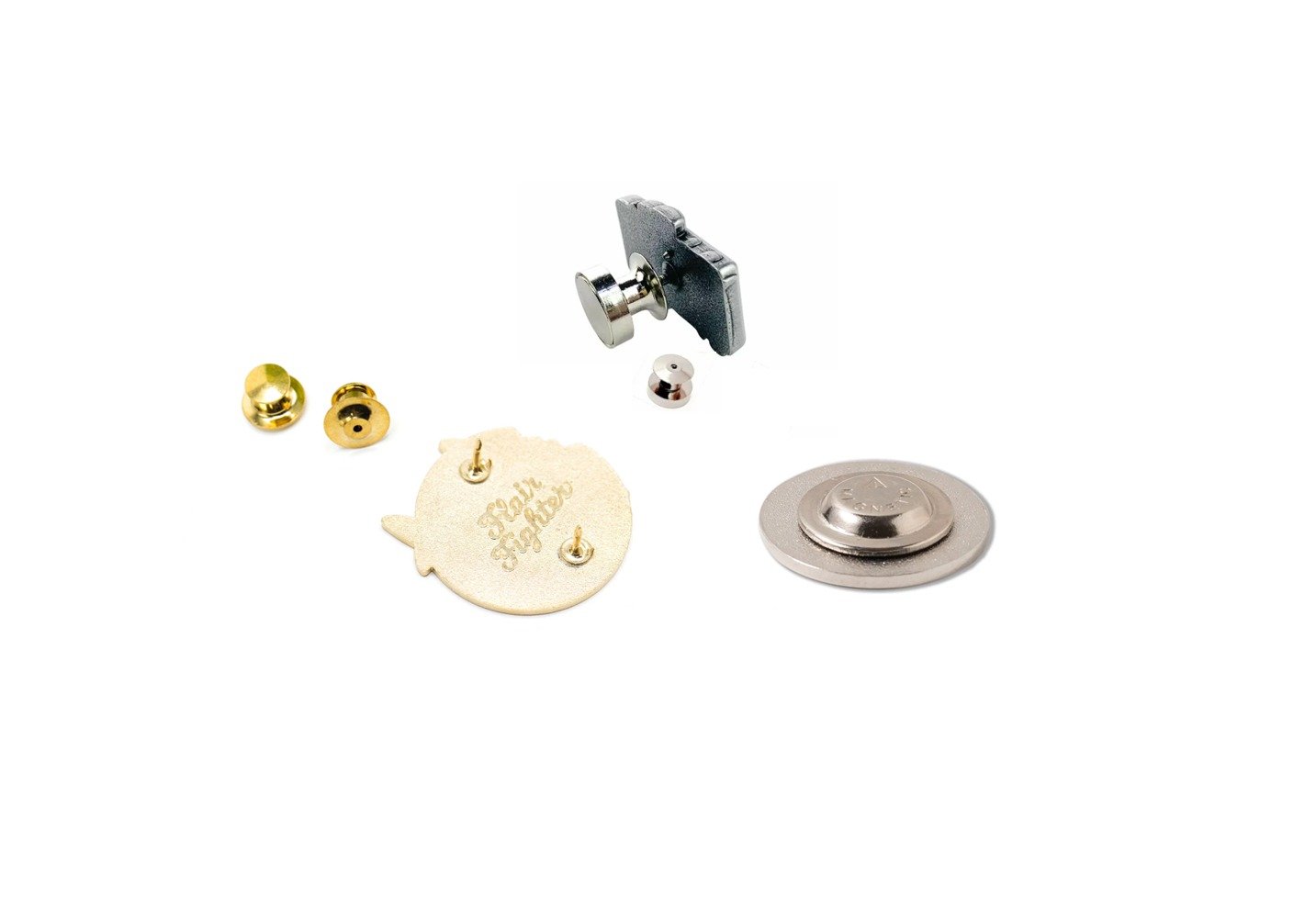
Price, appearance, and usability are the main factors when deciding between magnetic pin backing and traditional enamel pin backings for your custom pins. Magnetic pins work differently than standard pin mechanisms, so there are specific considerations to keep in mind. This guide will help you understand the differences between magnet vs clutch and choose the best backing for your needs.
What You Need to Know About Magnetic Backing
Magnetic pin backing uses strong magnets to hold the pin in place without piercing the fabric. Before choosing a magnetic backing, consider the following:
⚠️ Wear with care: Strong magnets can affect small electronic devices, including pacemakers. Keep magnetic pins away from children and pets, as accidental ingestion can be dangerous.
- Professional appearance: Magnetic backings lay flat and avoid damaging clothing, making them ideal for suits, blazers, or uniforms. They’re perfect for office wear or formal events but less ideal for active settings.
- Higher cost: Magnetic pins are more expensive due to the materials and strength required. Adding a magnetic pin backing can increase the unit cost by $0.50–$3.00, depending on quantity and supplier.
- Ease of use for limited mobility: Magnets eliminate the need for small clasps, making it easier for people with dexterity issues to wear pins. Single bar magnets provide the largest surface area for easy attachment.
- Limitations in movement: Magnetic pins are best for static or light activity. Vigorous motion or thick fabrics can weaken the magnetic connection.
- Bulk storage challenges: Large quantities of magnetic pins can stick together during storage, requiring extra care when handling or packaging.
Other Popular Enamel Pin Backings
Besides magnetic, enamel pin backings come in several traditional varieties. The three most common types are:
🔒 Safety Pin
Similar to a button pin, this clasp is ideal for thick fabrics or active environments. It secures the pin well but passes through fabric twice, which may leave holes.
📌 Pin Clutch
The most common backing for lapel pins, available in metal, hard plastic, or rubber. Some are lockable for extra security, suitable for collectible pins.
🔐 Locking Pin Back
Found on high-end or jewelry-style pins, this delicate mechanism ensures the pin stays in place until manually released. Perfect for uniforms or formal wear.
Which Enamel Pin Backing Is Best for You?
The choice depends on usage, clothing type, quantity, and cost. Here’s a quick breakdown to help you decide between magnet vs clutch and other options:
- Magnetic: Stylish, professional, and ideal for thin fabrics like silk, cotton, or polyester. Great for office wear, name tags, or accessories where pinholes are undesirable.
- Clutch/Safety Pin: More secure for active use or heavy fabrics. Suitable for uniforms, jackets, or outdoor events.
- Locking Pin Back: Best for high-value pins that must not fall off, such as corporate awards or collectible limited editions.
Key Factors to Consider:
- Order quantity – Magnetic pins are more expensive, so bulk orders significantly increase costs.
- Fabric/material – Magnets work best on thin clothing; thicker fabrics may reduce stability.
- Usage scenario – Consider activity level and clothing type to avoid accidental pin detachment.
- Storage and transport – Magnetic pins may need padding or separation to prevent sticking.
How to Convert a Pin to Magnetic
If you want to switch an existing pin to a magnetic pin backing, you have two options:
Option 1: Manual Conversion
- Remove any protruding prongs using a metal cutter and smooth the surface with a sander.
- Attach a strong magnetic strip using a durable adhesive.
- Allow the glue to set completely before use.
Option 2: Use a Magnetic Pin Adapter
For a quicker and safer alternative, magnetic pin adapters are available. These small accessories attach directly to your existing pin without any cutting or glue. Simply clip or slide the adapter onto the pin’s prongs, and it converts your pin into a magnetic one instantly.
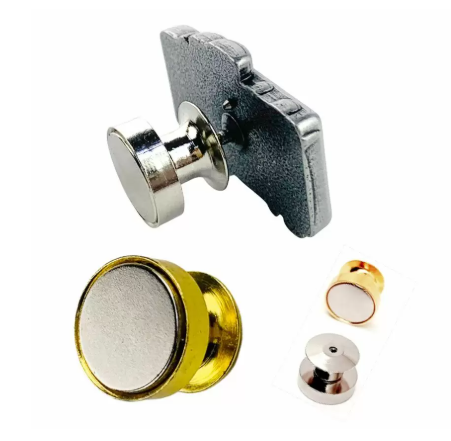
Display Tips: Magnetic pins, whether manually converted or using an adapter, are great for framed or foam-backed displays. Use metal strips or cardboard to keep pins aligned and secure.
Choosing between magnetic pin backing and traditional enamel pin backings depends on your priorities:
- Magnetic pins: Best for professional appearance, delicate fabrics, and ease of use.
- Traditional pins (clutch/safety/locking): Better for active use, thick fabrics, and long-term security.
🧲 Frequently Asked Questions
Safety pin backs and locking pin backs offer the best security for active environments or heavy fabrics like jackets. Magnets can weaken with vigorous motion.
Yes, magnetic pin backing adds $0.50–$3.00 per pin depending on quantity and magnet strength. They are more expensive than standard clutches.
Yes, use a magnetic pin adapter that clips onto the existing prongs. No cutting or glue required. It’s reversible and safe.
Magnets work best on thin fabrics like silk, cotton, or polyester. Thick or layered fabrics may reduce magnetic hold.
Magnetic pin backing is ideal because it doesn’t puncture fabric and lays flat. Perfect for suits, blazers, and uniforms.
Free artwork review · any backing type
References & Further Reading
- Get a Free Custom Pin Quote – CreatePins
- How to Choose the Right Enamel Pin Backings – Complete Guide
- Pin‑to‑Keychain and Pin‑to‑Magnet Adapters
- Hard Enamel vs Soft Enamel Pins: The Ultimate Guide
- Epoxy Dome Pins – Complete Guide to Finishing, Design & When to Use It
- The Beginner’s Guide to Enamel Pin Plating Colors
- Complete Enamel Pin Packaging Guide: Types, Costs & Best Practices
- Best File Formats for Custom Enamel Pins (AI vs PSD vs PNG)
- How to Choose Enamel Pin Colors: A Complete Color Palette Guide
- Essential Criteria for Grading Enamel Pins
- Common Enamel Pin Defects & How CreatePins Prevent Them
- The Biggest Enamel Pin Design Mistakes That Ruin Everything