How to Choose the Right Enamel Pin Backings: Complete Guide, Risks & Pro Tips (2026)
Butterfly, rubber, locking, magnetic or double-lock? Here’s how to pick a pin backing that stays secure, feels comfortable, and won’t damage the fabric it’s worn on.
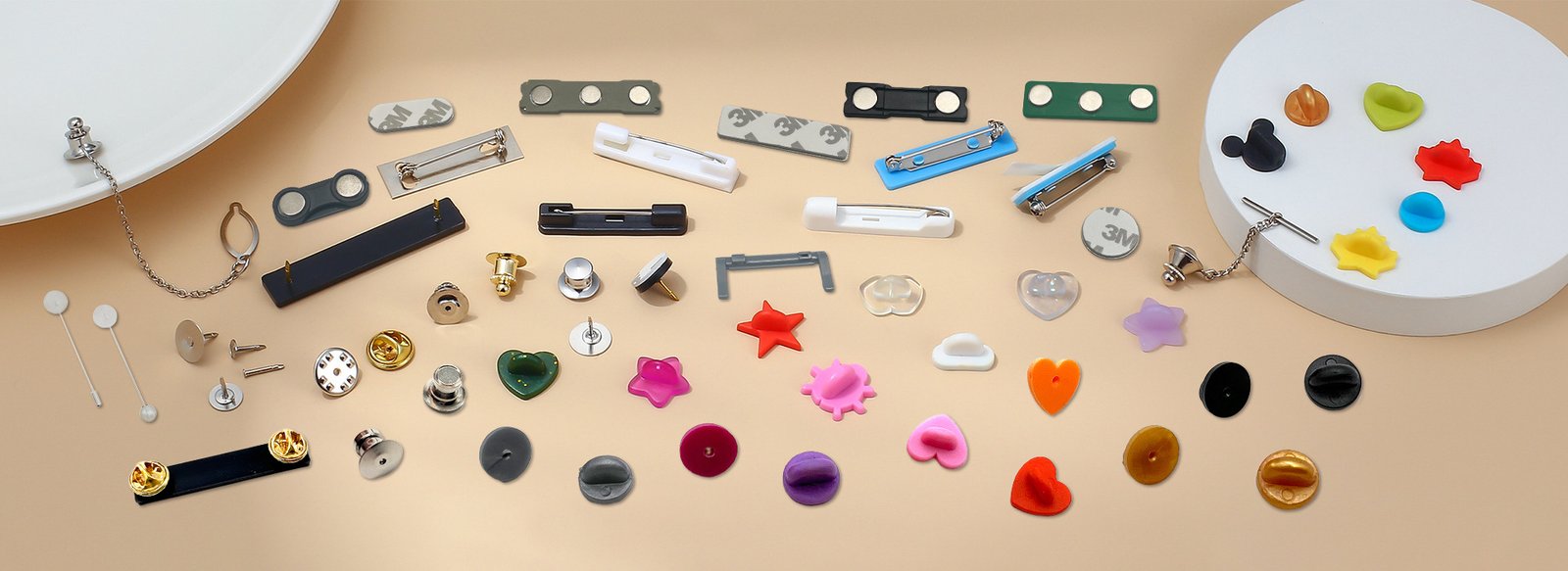
Choosing the right pin backing is just as crucial as selecting the design, material, and metal for your enamel pins. The backing doesn’t just hold the pin in place — it directly affects how long the pin lasts, how comfortable it is to wear, and whether it damages the fabric or clothing it’s attached to. Get it wrong, and even a beautifully designed pin can fall off, irritate the wearer, or leave holes in a favorite jacket.
In this guide, we’ll break down every major backing type, the real-world risks of picking the wrong one, and the pro tips experienced pin sellers use to avoid costly mistakes. Whether you’re ordering pins for personal use, merchandise, or a promotional campaign, this is everything you need to make a confident, informed decision. If you’re still finalizing your design, our complete enamel pin design guide is a good place to start before you get to backings.
Understanding Enamel Pin Backing Basics
Before diving into specific backing types, it’s important to understand that the backing serves two primary functions: security (keeping the pin attached to fabric) and comfort (ensuring the pin doesn’t irritate the wearer). The ideal backing balances these factors while also complementing the pin’s design, weight, and intended use.
Prevents pin loss
Minimizes damage
Comfortable to wear
Complements design
Types of Pin Backings: Detailed Overview
Each pin backing type has unique characteristics that make it suitable for different applications. Here’s what to expect — and watch out for — with each one.
Butterfly Clutch
Description: The butterfly clutch is the most common and cost-effective pin backing. It consists of two small metal wings that open and close, securing the pin.
- Easy to attach/remove
- Affordable & widely available
- Secure for lightweight pins
- Can become loose over time
- Less durable
- Not ideal for heavy pins
Best For: Everyday wear, promotional items, team pins, or simple designs for casual use.
Rubber Clutch
Description: Made from soft rubber that fits over the pin post. Provides a snug fit and is a durable alternative to metal butterfly clutches.
- Firmer grip than butterfly
- Comfortable & soft
- Prevents fabric damage
- May not secure heavy pins
- Simple aesthetic
Best For: Casual pins, heavy fabrics like denim, backpacks.
Locking Pin Back
Description: Locking pin backs rotate or click into place once attached, preventing accidental fall-off.
- Extremely secure
- Ideal for heavy/large pins
- Perfect for collectibles
- Slightly harder to attach
- Adds bulk
Best For: Premium/collectible pins, high-risk environments (outdoor events, sports).
Magnetic Backing
Description: Strong magnets secure the pin from behind the fabric, eliminating the need for a traditional clasp or piercing.
- Easy to use & swap
- Comfortable to wear
- Ideal for delicate fabrics
- Less secure for larger/heavier pins
- Magnet strength can weaken over time
Best For: Artistic/high-end designs, collectibles, delicate fabrics.
Double-Lock Pin Back
Description: Uses both a clasp and a secondary locking mechanism for double security.
- Maximum security
- Ideal for long-term wear
- Great for valuable pins
- Bulky
- More complicated to use
Best For: Premium, high-security, limited edition or corporate pins.
Deluxe Clutch
Description: An upgraded version of the butterfly clutch, made from a metal alloy with a firmer, more secure grip.
- More secure than standard
- Sleek metallic finish
- Durable for long wear
- More expensive
- Not as secure as locking backs
Best For: Moderate to heavy pins needing a refined look with better security.
Pin Backing Comparison Table
| Backing Type | Security Level | Comfort | Best For Pin Size | Price Range |
|---|---|---|---|---|
| Butterfly Clutch | Medium | Small to Medium | $ | |
| Rubber Clutch | High | Small to Medium | $ | |
| Locking Pin Back | Medium | Medium to Large | $$ | |
| Magnetic Backing | High | Small to Medium | $$ | |
| Double-Lock Pin Back | Low | Large & Heavy | $$$ | |
| Deluxe Clutch | High | Medium | $$ |
Key Factors to Consider When Choosing Pin Backings
1. Pin Size and Weight
- Small pins (under 1 inch): Butterfly or rubber clutches
- Medium pins (1–2 inches): Rubber, locking, or deluxe clutches
- Large/heavy pins (over 2 inches): Locking or double-lock backings
2. Intended Use and Wear Frequency
- Casual/daily wear: Comfortable options like rubber or deluxe
- Collectible/display: Secure options like locking backs
- Event/seasonal: Easy-to-change (magnetic)
- Outdoor/active: High-security double-lock
3. Fabric Type and Preservation
- Delicate fabrics: Magnetic backings minimize damage
- Heavy fabrics (denim, leather): Rubber or locking for grip
4. Aesthetic Considerations
- Minimal visibility: rubber clutches blend in
- Premium appearance: deluxe clutches
- Modern look: magnetic backings
5. Security Requirements
- Low security: promotional giveaways
- Medium security: merchandise, everyday jewelry
- High security: limited editions, outdoor events
Risks & Common Mistakes to Avoid
Most backing problems aren’t about the pin itself — they’re about mismatching the backing to the fabric, the wearer, or the use case. Here are the risks that come up most often, based on real production and customer-service feedback.
⚠️ Fabric Tearing & Holes
Heavy pins on thin fabric (silk, chiffon, fine knits) can stretch or tear the material over time, especially with butterfly or locking backs that concentrate weight on the post.
⚠️ Choking Hazard for Children
Small clutches and magnets are a swallowing risk. Avoid magnetic backings and loose small parts on any pin intended for children’s clothing or plush toys.
⚠️ Magnet Interference
Strong magnetic backings can affect pacemakers, medical devices, hotel key cards, and credit card strips if worn or stored too close to them.
⚠️ Nickel Allergies
Some low-cost backings use nickel-plated metal, which can trigger skin irritation or allergic contact dermatitis in sensitive wearers.
⚠️ Backing Fatigue Over Time
Butterfly and deluxe clutches rely on spring tension in thin metal wings — repeated on/off use gradually weakens the grip until the pin falls off unexpectedly.
⚠️ Mismatched Bulk Orders
Choosing one backing type for an entire bulk order without testing on the actual end-use fabric is one of the most common (and costly) mistakes first-time buyers make.
⚠️ Corrosion in Humid Climates
Cheap unplated metal backings can rust or discolor in humid conditions, staining fabric — always confirm plating quality for outdoor or coastal markets.
⚠️ Counterfeit / Substandard Hardware
Ultra-low-cost backings from unverified suppliers may use brittle metal or weak magnets that fail well before the pin’s expected lifespan. See our guide on common enamel pin defects for how to spot these early.
Pro Tips for Choosing & Using Pin Backings
✅ Always Sample First
Order physical backing samples before committing to bulk production — photos and spec sheets can’t tell you how a clutch actually feels on fabric.
✅ Test on the Real Fabric
Attach a sample pin to the exact garment or bag the pin will be worn on, not a generic swatch, before finalizing your order.
✅ Mix Backing Types
For merchandise lines, consider offering pins with two backing options (e.g., rubber and locking) so customers can choose based on their own fabric.
✅ Add Care Instructions
Include a small card explaining how to attach/remove the backing safely, especially for locking or double-lock mechanisms.
✅ Keep Spare Backings
Order a small batch of spare backs with every production run — it’s the cheapest way to handle lost or worn clutches after the fact.
✅ Disclose Magnet Strength
If selling magnetic-backed pins, note the magnet strength and add a simple warning for buyers with medical devices or payment cards.
✅ Match Backing to Packaging
If you’re finalizing backing cards or blister packs, coordinate backing choice with your pin packaging design so the pin sits securely in transit.
✅ Confirm Plating Quality
Ask your manufacturer about the plating used on backings, not just the pin face — this affects both durability and allergy risk.
⚡ Quick-Reference Recap
✅ Backing Selection Checklist
- Pin size and weight determined
- Primary use identified (casual, collectible, etc.)
- Target fabric considered
- Security needs evaluated
- Budget constraints reviewed
- Aesthetic preferences noted
- Allergy / magnet-safety considerations checked
- Sample backings tested (if possible)
💰 Estimated Cost Impact
- Rubber / Butterfly clutch +$0.00–$0.10/pin
- Deluxe clutch +$0.2–$0.4/pin
- Locking / magnetic +$0.25–$0.60/pin
- Double-lock +$0.40–$0.80/pin
Prices vary by manufacturer and order quantity. See our full enamel pin pricing breakdown for a complete cost picture.
Ready to Create Your Custom Enamel Pins?
Now that you understand the different backing options, it’s time to bring your pin designs to life. Our team at CreatePins can help you choose the perfect backing for your specific needs and create high-quality enamel pins that your customers will love.
Get a Free Quote for Your Custom PinsFree design consultation • Bulk discounts • Fast turnaround
Frequently Asked Questions
Typically, no. The backing is attached during manufacturing. Choose carefully from the start, or ask about pin-to-keychain and pin-to-magnet adapters if you want flexibility later.
Yes, magnetic backings are easiest — no pinching or twisting motions required.
Use magnetic backings (no piercing), add a protective felt behind fabric, or use a display stand instead of wearing the pin.
Double-lock pin backs offer the highest security; locking pin backs are a good alternative with less bulk.
For most adults, yes. Avoid them near pacemakers or other medical devices, and keep them away from credit cards, hotel key cards, and hard drives.
Avoid magnetic and small loose-part backings due to choking risk. A secure locking pin back, kept out of reach when not worn, is generally safer than a butterfly clutch.
Final Recommendations
Choosing the right pin backing ensures your enamel pins are both functional and aesthetically pleasing — and helps you avoid the fabric damage, allergy complaints, and lost-pin issues that come from picking the wrong one. By understanding each type, weighing the risks, and considering factors like size, use, and comfort, you can select the ideal option with confidence.
Quick decision guide for beginners:
- First-time creators on a budget: Butterfly clutches
- Everyday wear pins: Rubber or deluxe clutches
- Collectible/valuable pins: Locking or double-lock backings
- Artistic/display pins: Magnetic backings
- Children’s items or gifts: Locking pin backs, kept out of reach
- When unsure: Order samples with different backings to test personally
Experiment with different backings to see which one best suits your design’s needs. Whether you’re creating pins for casual wear, high-end collectibles, or promotional events, the right backing — chosen with the risks and tips above in mind — will enhance your pin’s overall quality, safety, and usability.
References & Further Reading
- Complete Enamel Pin Design Guide (2026)
- How to Order Enamel Pins (Step-by-Step Guide)
- No Minimum Order Custom Pins: What You Need to Know Before You Buy
- Common Enamel Pin Defects & How CreatePins Prevent Them
- Essential Criteria for Grading Enamel Pins: Quality Standards & Inspection Guide
- The Biggest Enamel Pin Design Mistakes That Ruin Everything
- What Enamel Pin Manufacturers Don’t Tell You Before Ordering
- Epoxy Dome Pins: Complete Guide to Finishing, Design & When to Use It
- Translucent Enamel Pin Design Guide: Limits, Risks & Pro Tips
- Pearl Swirl Enamel Pin Design Guide: Limits, Risks & Pro Tips
- Enamel Pin Production Specifications
- The Ultimate Guide to Enamel Pin Add-Ons: Glitter, Glow, Epoxy, Spinners & More
- Upgrade Your Custom Pins with Pin-to-Keychain and Pin-to-Magnet Adapters
- How Much Do Enamel Pins Cost to Make in 2026?
- Pricing Custom Enamel Pins for Profit: Cost Breakdown, Calculator & Pricing Tips
- Custom Enamel Pin Production Timeline Explained
- Enamel Pin Backing Cards: Complete Design, Size, Printing & Finish Guide
- Common Enamel Pin Types: Differences, Costs & Mistakes